Category Archives: PDF

  • 0

wednesday wars pdf

Category : PDF

The Wednesday Wars PDF⁚ Download and Access

Securing a PDF of “The Wednesday Wars” involves exploring various avenues. Legal options include purchasing the ebook or checking library databases. Numerous websites offer free downloads; however‚ proceed with caution due to copyright implications and potential malware.

Where to Find The Wednesday Wars PDF

Locating a legitimate PDF version of “The Wednesday Wars” requires a strategic approach. Reputable online bookstores like Amazon or Barnes & Noble offer digital downloads in various formats‚ including PDF‚ ensuring a legal and safe acquisition. Public libraries often provide e-book access through online platforms; check your local library’s website or app for availability. Project Gutenberg‚ a vast digital library of public domain books‚ might offer the novel if it’s within the public domain‚ though this is unlikely for a more recently published work. Remember to always prioritize legal sources to avoid copyright infringement and potential malware associated with illicit downloads. Exploring these avenues guarantees a secure and legitimate copy of Gary D. Schmidt’s acclaimed novel.

Legal and Illegal Download Sources

Navigating the digital landscape for “The Wednesday Wars” PDF requires discerning between legal and illegal sources. Authorized avenues include established online retailers like Amazon Kindle‚ Barnes & Noble Nook‚ and Google Play Books‚ offering secure and legitimate downloads. These platforms ensure copyright compliance and provide a safe user experience‚ free from malware or viruses often associated with unauthorized websites. Conversely‚ numerous websites offer free PDF downloads‚ but these sources often infringe on copyright laws and pose significant risks. Such sites may contain malware or viruses that can harm your devices. Prioritizing authorized channels protects both your digital security and the intellectual property rights of the author and publisher. Remember‚ supporting legal avenues ensures continued access to quality literature.

Accessing the Book Through Libraries and E-readers

Many public libraries offer “The Wednesday Wars” as an ebook‚ accessible through their online catalogs. Check your local library’s website or app; if they don’t have it‚ they might be able to obtain it through interlibrary loan. This is a convenient and cost-effective way to read the book digitally. E-reader compatibility is generally excellent; most devices support common ebook formats like EPUB and Kindle. Libraries often partner with e-reader platforms‚ allowing seamless borrowing and reading. OverDrive and Libby are popular library apps providing access to a vast collection of ebooks‚ including many young adult novels. These apps typically sync across multiple devices‚ allowing you to resume reading where you left off. Remember to check your library’s policies on borrowing periods and renewal options to avoid late fees. This approach offers a legal and readily accessible alternative to online downloads.

Exploring The Wednesday Wars Content

Gary D. Schmidt’s novel delves into themes of family‚ loss‚ and self-discovery during the 1960s. It features memorable characters and explores the power of literature. Critical acclaim and awards highlight its literary merit.

Plot Summary and Key Characters

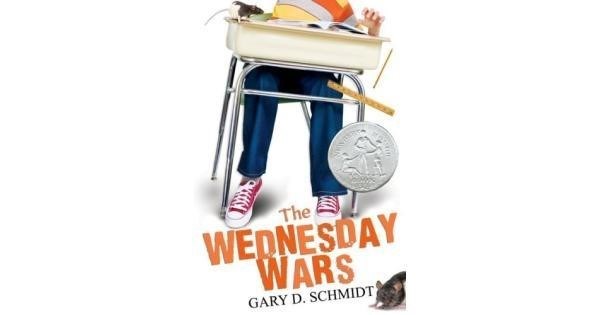
The Wednesday Wars‚ a Newbery Honor-winning novel by Gary D. Schmidt‚ follows seventh-grader Holling Hoodhood during the tumultuous 1967-68 school year. While his classmates attend religious instruction‚ Holling remains with his teacher‚ Mrs. Baker‚ studying Shakespeare. This unusual arrangement becomes a backdrop for Holling’s personal growth and exploration of significant life events. He grapples with family issues‚ including his father’s demanding nature and his parents’ strained marriage‚ while navigating the complexities of adolescence. Key characters include the unconventional and insightful Mrs. Baker‚ Holling’s often-absent and enigmatic father‚ his sensitive and supportive mother‚ and his loyal friend‚ Danny Hupfer; The novel is punctuated by Holling’s encounters with Shakespeare’s plays‚ which provide a metaphorical lens through which he interprets his experiences and the world around him. His relationship with Mrs. Baker acts as a nurturing influence‚ helping him to navigate the challenges of his family life and self-discovery. Throughout the narrative‚ Holling’s journey is marked by both humorous and poignant moments‚ as he confronts his fears and learns valuable life lessons. The story’s setting within the context of the Vietnam War adds another layer of complexity to Holling’s coming-of-age journey‚ highlighting the societal anxieties of the time.

Themes and Literary Significance

The Wednesday Wars explores several significant themes‚ making it a rich and thought-provoking read. Family relationships are central‚ showcasing the complexities of parental expectations and the impact of a strained marriage on a child’s development. The novel delves into the power of mentorship‚ highlighting the transformative influence of Mrs. Baker on Holling’s life. Shakespeare’s plays serve as a powerful literary device‚ offering metaphors for Holling’s experiences and providing a framework for exploring themes of love‚ loss‚ betrayal‚ and redemption. The backdrop of the Vietnam War subtly underscores the anxieties and uncertainties of the era‚ adding another layer of depth to Holling’s coming-of-age narrative. Furthermore‚ the novel subtly explores themes of faith and spirituality‚ shown through Holling’s interactions with different religious perspectives. Its literary significance lies in its poignant portrayal of a young boy’s journey of self-discovery‚ woven intricately with literary allusions and historical context. Schmidt’s masterful use of language and storytelling creates a compelling and emotionally resonant narrative that resonates with readers of all ages. The novel’s blend of humor and pathos makes it both entertaining and deeply moving‚ earning it critical acclaim and a place in the canon of significant young adult literature.

Critical Reception and Awards

The Wednesday Wars has garnered widespread critical acclaim since its publication‚ praised for its engaging narrative‚ well-developed characters‚ and insightful exploration of complex themes. Reviewers have lauded Gary D. Schmidt’s skillful weaving of humor and pathos‚ creating a story that is both entertaining and emotionally resonant. The novel’s unique structure‚ incorporating Shakespearean plays within the narrative‚ has been cited as a brilliant and effective literary device. The book’s exploration of family dynamics‚ the power of mentorship‚ and the anxieties of a specific historical period have resonated deeply with readers and critics alike. The realistic portrayal of a young boy’s emotional and intellectual growth has been highlighted as particularly compelling. This positive critical reception translated into significant recognition‚ culminating in the prestigious Newbery Honor Award. This award‚ recognizing exceptional contributions to children’s literature‚ further solidified the book’s place as a noteworthy and influential work within the young adult fiction genre. The enduring popularity and continued critical discussion surrounding The Wednesday Wars demonstrate its lasting impact on the literary landscape.

The Wednesday Wars in Different Formats

Beyond the PDF‚ “The Wednesday Wars” is readily available in various formats⁚ eBooks (Kindle‚ EPUB)‚ paperback‚ and hardcover editions. These options cater to diverse reading preferences and technological capabilities.

PDF Versions and Their Availability

Locating a PDF version of “The Wednesday Wars” requires careful navigation through online resources. Legitimate sources include online bookstores that sell the ebook in PDF format‚ often alongside other ebook formats like EPUB or MOBI. Be wary of unofficial websites offering free downloads‚ as these may infringe on copyright or contain malware. Remember to always respect intellectual property rights and support authors by purchasing legitimate copies of their works. Public libraries sometimes provide access to digital copies of books through their online portals; check your local library’s website to see if they offer “The Wednesday Wars” in a downloadable PDF format. The availability of a PDF specifically may vary depending on the publisher’s agreements and digital distribution channels. Always prioritize official sources to ensure a safe and legal download experience.

eBook Formats⁚ Kindle‚ EPUB‚ etc.

Beyond PDF‚ “The Wednesday Wars” is readily available in various ebook formats catering to different e-reader devices and software. The most common formats include Kindle (AZW or MOBI)‚ widely compatible with Amazon Kindle devices and apps; EPUB‚ a widely supported open standard usable on numerous e-readers and reading apps like Kobo‚ Nook‚ and others; and sometimes other proprietary formats depending on the retailer or publisher. These formats offer the same content as the print version‚ but with added digital features like adjustable font sizes‚ bookmarks‚ highlighting‚ and often integrated dictionaries. Purchasing ebooks from reputable online retailers ensures a legitimate copy and avoids the risks associated with unofficial downloads. The availability of specific formats may differ based on the retailer or platform from which you are purchasing. Consider your preferred reading device and software when selecting your desired ebook format for the most seamless reading experience.

Print Book Availability and Editions

Physical copies of “The Wednesday Wars” enjoy widespread availability through various bookstores‚ both online and brick-and-mortar. Major retailers like Amazon‚ Barnes & Noble‚ and independent bookstores often stock the novel. You might find different editions‚ including paperback and hardcover versions‚ potentially with varying cover art or special editions released over time. Checking the publisher’s website or contacting your local bookstore can help determine current availability and specific editions offered. Used bookstores and online marketplaces like eBay or Abebooks also represent avenues for discovering potentially less expensive copies. When purchasing a physical copy‚ examine the book’s condition‚ especially if buying used‚ to ensure a satisfactory reading experience. The availability of specific editions may fluctuate‚ influenced by demand and the publisher’s ongoing print runs.

Further Exploration of the Novel

Delve deeper into “The Wednesday Wars” through online book clubs‚ insightful reviews‚ and exploring other works by Gary D. Schmidt. Engage in discussions and broaden your literary horizons.

Reviews and Reader Feedback

Online platforms like Goodreads and Amazon host a wealth of reader reviews for “The Wednesday Wars‚” offering diverse perspectives on Gary D. Schmidt’s Newbery Honor-winning novel. These reviews often highlight the book’s witty and compelling narrative‚ focusing on the endearing character of Holling Hoodhood and his unique experiences during the 1967-68 school year. Many praise Schmidt’s ability to blend humor and poignant moments‚ creating a story that resonates with readers of all ages. Positive feedback frequently emphasizes the book’s exploration of themes such as family relationships‚ the complexities of adolescence‚ and the transformative power of education. Some readers find the novel’s pacing to be just right‚ while others may comment on specific plot points or character arcs. Negative reviews‚ if any‚ are less common but might address aspects such as perceived slowness or specific plot elements that didn’t resonate with individual preferences. Overall‚ the overwhelmingly positive reader response underscores the enduring appeal of “The Wednesday Wars” and its continued relevance to contemporary readers.

Discussion Forums and Online Communities

Engaging with fellow readers and enthusiasts of “The Wednesday Wars” is readily achievable through various online platforms. Dedicated book clubs and forums often feature threads specifically focused on Schmidt’s novel‚ offering opportunities for in-depth discussions about its themes‚ characters‚ and literary merit. Websites like Goodreads and social media groups (Facebook‚ Twitter) provide spaces where readers share their interpretations‚ opinions‚ and personal connections with the story. These online communities foster a sense of shared experience‚ allowing for the exchange of diverse viewpoints and insightful analyses. Participants may explore the novel’s historical context‚ examine its literary techniques‚ or delve into its exploration of complex themes. Such interactions can enrich one’s understanding and appreciation of “The Wednesday Wars‚” fostering a deeper connection with both the narrative and its wider literary significance. The vibrant online discourse surrounding the book reflects its enduring popularity and the ongoing interest it generates among readers.

Related Works by Gary D. Schmidt

Exploring the broader literary landscape of Gary D. Schmidt reveals a rich tapestry of interconnected narratives and recurring themes. Following the success of “The Wednesday Wars‚” readers often seek out his other acclaimed works‚ many of which share similar stylistic elements and thematic concerns. His novels frequently explore the complexities of adolescence‚ the power of mentorship‚ and the enduring impact of historical events on individual lives. Schmidt’s writing often delves into the intricacies of family relationships and the challenges of navigating personal growth amidst societal pressures. “The New Boy‚” for example‚ often stands alongside “The Wednesday Wars” in discussions of his work‚ showcasing a similarly poignant exploration of childhood experiences. Readers interested in Schmidt’s distinct narrative voice and his poignant portrayals of human relationships will find a wealth of rewarding reading material in his broader oeuvre. His books are frequently praised for their lyrical prose‚ insightful character development‚ and their ability to evoke powerful emotional responses.


  • 0

dsm-5 cross cutting symptom measure pdf

Category : PDF

DSM-5 Cross-Cutting Symptom Measure (CCSM)⁚ An Overview

The DSM-5 CCSM is a transdiagnostic measure assessing mental health symptoms across various diagnoses․ It aids clinicians in identifying key areas needing further inquiry, impacting treatment and prognosis․ Available in self-report and informant-report versions for adults and children․ Useful for diagnostic evaluations, research, and treatment planning․

The Purpose and Utility of the CCSM

The DSM-5 Cross-Cutting Symptom Measure (CCSM) serves a crucial purpose in enhancing the comprehensive assessment of mental health․ Its primary utility lies in its ability to identify and quantify a broad range of symptoms that cut across various diagnostic categories․ Unlike disorder-specific measures, the CCSM provides a more holistic view of an individual’s mental health status, capturing the complexity of co-occurring symptoms․ This transdiagnostic approach allows clinicians to gain a richer understanding of the patient’s overall symptom presentation, which is particularly valuable in cases where multiple diagnoses are suspected or present․ The CCSM’s value extends beyond diagnostic assessment; it serves as a valuable tool in treatment planning, monitoring treatment progress, and predicting prognosis․ By highlighting areas of significant distress, the CCSM guides clinicians in tailoring interventions to address the individual’s unique needs and challenges․ Its dimensional approach allows for a more nuanced and detailed evaluation of symptom severity, facilitating a more individualized and effective treatment plan․ The availability of both self-report and informant-report versions further enhances its versatility and applicability in various clinical settings․

CCSM Domains and their Measurement

The DSM-5 CCSM assesses multiple domains of mental health symptoms, providing a comprehensive profile of an individual’s psychological functioning․ These domains encompass a wide range of emotional, cognitive, and behavioral experiences․ Key domains often include depression, anxiety, anger, mania, somatic symptoms, sleep disturbance, psychosis, suicidal ideation, and substance use․ Each domain is measured using a standardized rating scale, typically ranging from 0 (not at all) to 4 (extremely)․ This allows for a quantitative assessment of symptom severity within each domain․ The specific items within each domain are carefully selected to reflect the core features of each symptom cluster․ The use of standardized scales ensures reliability and consistency across different clinicians and settings․ The scoring system provides a clear and objective way to track changes in symptom severity over time, which is crucial for monitoring treatment response․ The multi-domain approach of the CCSM offers a more detailed and nuanced understanding of an individual’s symptom presentation than single-domain measures, leading to more informed clinical decisions and treatment planning․

Validity and Reliability of the CCSM

The DSM-5 Cross-Cutting Symptom Measure (CCSM) demonstrates strong psychometric properties, supporting its validity and reliability as a clinical assessment tool․ Studies have shown high internal consistency reliability, indicating that the items within each domain measure a consistent construct․ Furthermore, the CCSM exhibits good test-retest reliability, suggesting that scores are stable over time․ Convergent validity is supported by significant correlations between CCSM scores and other established measures of similar constructs, confirming that the CCSM accurately assesses the intended domains․ Evidence also suggests discriminant validity, with distinct patterns of scores differentiating between various diagnostic groups․ The CCSM’s validity extends to its ability to predict functional impairment and treatment outcomes․ While further research is ongoing, the existing evidence strongly suggests that the CCSM is a reliable and valid instrument for assessing cross-cutting mental health symptoms․ This makes it a valuable tool for both clinical practice and research․

Applications of the DSM-5 CCSM

The DSM-5 CCSM finds broad application in clinical settings and research․ It aids diagnostic evaluations, facilitates treatment planning, and proves valuable in screening for various mental health conditions․ Its utility extends to research studies and the assessment of treatment outcomes․

Clinical Utility in Diagnostic Evaluations

The DSM-5 Cross-Cutting Symptom Measure (CCSM) offers significant clinical utility in diagnostic evaluations by providing a comprehensive assessment of mental health symptoms that cut across various diagnostic categories․ Unlike traditional diagnostic approaches that focus on specific disorders, the CCSM adopts a dimensional approach, evaluating the severity of symptoms along a continuum․ This approach allows clinicians to identify the presence and severity of symptoms that may not meet the full criteria for a specific disorder but still significantly impact the individual’s functioning․ The CCSM’s broad assessment of symptoms helps clinicians gain a more holistic understanding of a patient’s mental health status, thereby informing more accurate diagnoses․ The information gathered through the CCSM can also aid in differentiating between disorders with overlapping symptoms, thus improving diagnostic precision․ Moreover, the CCSM facilitates the identification of comorbid conditions, which is crucial for developing effective and individualized treatment plans․ By providing a comprehensive symptom profile, the CCSM assists clinicians in making more informed decisions regarding diagnosis and treatment․

Research Applications and Screening

The DSM-5 Cross-Cutting Symptom Measure (CCSM) proves invaluable in various research applications and screening initiatives․ Its transdiagnostic nature allows researchers to investigate symptom patterns across different mental disorders, identifying potential shared mechanisms and endophenotypes․ This facilitates the development of more precise diagnostic criteria and targeted treatments․ The CCSM’s standardized format ensures consistency across studies, enhancing the reliability and comparability of research findings․ Furthermore, the CCSM’s brevity makes it suitable for large-scale epidemiological studies and population screening, enabling researchers to assess the prevalence and distribution of mental health symptoms within specific populations․ The instrument’s ability to identify individuals at risk for developing mental health disorders contributes to early intervention strategies․ Researchers can utilize the CCSM to track the effectiveness of interventions, monitor symptom changes over time, and identify potential predictors of treatment response․ Its diverse applications make it a crucial tool in advancing our understanding of mental illness and developing more effective interventions․

Use in Treatment Planning and Prognosis

The DSM-5 Cross-Cutting Symptom Measure (CCSM) offers significant advantages in treatment planning and predicting prognosis․ By providing a comprehensive profile of an individual’s mental health symptoms, the CCSM helps clinicians tailor treatment plans to address specific needs․ Identifying the presence and severity of various symptoms allows clinicians to prioritize interventions, optimize treatment strategies, and adjust approaches as needed․ The CCSM’s ability to detect co-occurring conditions is particularly valuable, ensuring a holistic approach to care․ The measure also aids in predicting treatment response and overall prognosis․ By monitoring symptom changes over time, clinicians can assess treatment effectiveness and make informed decisions about adjusting medication, therapy, or other interventions․ The CCSM’s data can also inform discussions about long-term management and relapse prevention․ By integrating CCSM data into treatment planning, clinicians can improve the effectiveness of care, enhance patient outcomes, and promote overall well-being; This data-driven approach leads to more personalized and effective treatment strategies․

Limitations and Future Directions

Further research is needed to fully understand the latent structure and refine psychometric properties of the DSM-5 CCSM․ Comparisons with other assessment tools are also warranted to establish its unique clinical utility and validity․

Latent Dimensionality and Psychometric Properties

Investigating the underlying structure of the DSM-5 CCSM’s symptom domains is crucial․ Factor analysis and other dimensionality assessment techniques can reveal whether the observed domains truly represent distinct, independent constructs or if they share underlying latent factors․ Understanding the latent dimensionality is key to interpreting scores and ensuring accurate measurement․ The psychometric properties, including reliability (internal consistency, test-retest reliability) and validity (convergent, discriminant, criterion validity), must be rigorously examined across diverse populations․ Studies should investigate potential biases related to age, gender, cultural background, and other demographic factors․ Establishing strong psychometric properties is essential for the reliable and valid use of the CCSM in clinical and research settings․ Further research should focus on enhancing the instrument’s precision and reducing measurement error․

Further Research Needs and Refinements

While the DSM-5 CCSM offers valuable insights into cross-cutting symptoms, further research is needed to refine its application and interpretation․ Longitudinal studies are crucial to understand symptom trajectories and the measure’s predictive validity for treatment outcomes and functional impairment․ Investigating the CCSM’s responsiveness to various interventions is essential for evaluating its utility in treatment monitoring․ Studies should explore its performance in diverse clinical populations, including those with comorbid conditions, to ensure generalizability․ The development of culturally adapted versions is also necessary to address potential biases and ensure equitable application across different cultural contexts․ Improved scoring algorithms and more nuanced interpretations of the data could enhance the clinical utility of the measure․ Refining the CCSM will enhance its ability to inform clinical decisions and contribute to a more comprehensive understanding of mental health․

Comparison with Other Assessment Tools

Comparative studies are needed to establish the DSM-5 CCSM’s position within the broader landscape of mental health assessment tools․ Direct comparisons with established measures like the Symptom Checklist-90-Revised (SCL-90-R) and the Brief Symptom Inventory (BSI) can illuminate its strengths and weaknesses in terms of sensitivity, specificity, and discriminant validity․ Investigating the concordance between CCSM scores and those obtained from other diagnostic instruments, such as structured clinical interviews, will provide valuable information on its diagnostic accuracy․ Analyzing the incremental validity of the CCSM over and above existing measures will determine its unique contribution to clinical assessment․ Exploring the potential for using the CCSM in conjunction with other assessment tools, such as personality inventories or neuropsychological tests, should be a focus of future research․ Understanding the overlap and distinctions between the CCSM and other assessment instruments will facilitate more informed clinical decision-making and optimize the use of assessment resources․

Specific CCSM Versions

The DSM-5 CCSM offers versions tailored to different populations⁚ a self-report adult version and self- and informant-report versions for children and adolescents, facilitating comprehensive assessment across age groups․

Adult Self-Report Version

The DSM-5 Self-Rated Level 1 Cross-Cutting Symptom Measure-Adult is a self-administered questionnaire designed for adults․ It’s a crucial tool for assessing a broad range of mental health symptoms relevant across various diagnoses․ This version allows individuals to directly report their experiences, providing valuable insights into their own perceptions of their mental state․ The questionnaire is structured to facilitate easy completion and understanding, ensuring that individuals can accurately reflect their current symptoms and experiences․ Its concise design minimizes respondent burden while maintaining comprehensive coverage of key symptom domains․ The adult self-report version plays a vital role in clinical evaluations, research studies, and treatment monitoring, contributing to a more holistic and personalized approach to mental healthcare․ The ease of administration and scoring makes it a practical choice for clinicians and researchers alike․ Its widespread use supports the development of more effective and targeted interventions for mental health conditions․ The reliability and validity of the adult self-report version have been extensively studied and are well-documented in the literature․

Child/Adolescent Versions (Self and Informant Report)

The DSM-5 CCSM offers versions tailored for children and adolescents, acknowledging the developmental differences impacting symptom presentation and self-reporting abilities․ A self-report version empowers older children and adolescents to articulate their experiences, fostering autonomy and engagement in their care․ Importantly, a parallel informant-report version allows parents or guardians to provide valuable perspectives on a child’s behavior and emotional state, supplementing the child’s self-report․ This dual approach offers a more comprehensive understanding of the child’s mental health, accounting for potential discrepancies between self-perception and observed behaviors․ The questionnaires are designed to be age-appropriate, using clear and accessible language to ensure accurate responses․ The inclusion of both self and informant reports is crucial for improving the accuracy and reliability of assessments, particularly in younger age groups where self-awareness and communication skills may be less developed․ These versions are invaluable tools for clinicians and researchers working with children and adolescents, enhancing diagnostic accuracy and informing treatment strategies․