
menu semanal para diabetes gestacional pdf
Category : PDF
Overview of Gestational Diabetes and Dietary Needs
Gestational diabetes requires balanced meals that keep blood sugar steady. A weekly PDF menu offers clear portions‚ low‑glycemic carbs‚ lean proteins‚ and healthy fats. It helps expectant mothers track calories‚ avoid spikes‚ and support healthy weight gain for both mother and baby. Plan meals‚ track glucose.
Benefits of a Weekly PDF Menu for Pregnant Women with Diabetes
Pregnant women with gestational diabetes face the dual challenge of nurturing a growing baby while maintaining stable blood glucose levels. A weekly PDF menu serves as a practical roadmap‚ offering pre‑planned‚ portion‑controlled meals that align with medical recommendations. By consolidating carbohydrate counts‚ protein grams‚ and healthy fat servings into one document‚ the menu eliminates guesswork and reduces the risk of post‑prandial spikes. It also supports consistent calorie intake‚ which is essential for healthy weight gain and fetal development. The visual layout—often color‑coded and easy to read—helps patients quickly identify suitable foods and avoid high‑glycemic options. Moreover‚ the PDF format allows for easy printing‚ digital sharing with healthcare providers‚ and updates as nutritional needs evolve throughout pregnancy. For families‚ the menu fosters shared responsibility‚ encouraging partners to participate in meal preparation and reinforce dietary discipline. Finally‚ having a ready‑made plan reduces anxiety‚ empowers women to make informed choices‚ and ultimately contributes to better maternal and neonatal outcomes. The PDF menu also integrates carbohydrate counting charts‚ suggested snack options‚ and sample portion sizes that align with individualized insulin regimens. By providing a visual reference‚ it reduces the load of meal planning‚ allowing expectant mothers to focus on nutrition quality rather than calculations. Additionally‚ the document can be shared with dietitians and obstetricians‚ ensuring that adjustments are made as glucose readings change
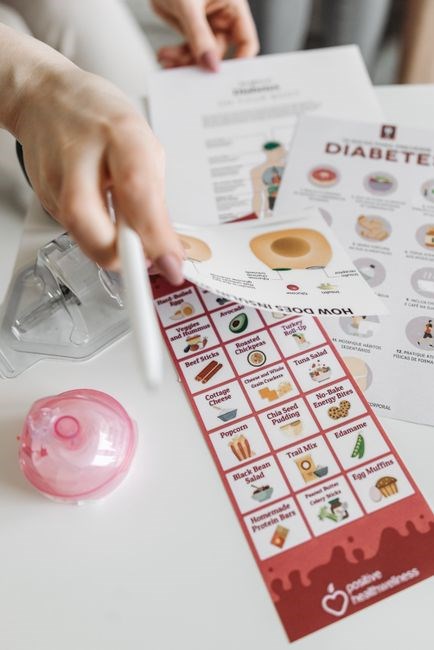
Caloric and Macronutrient Targets for Gestational Diabetes
Gestational diabetes requires a carefully balanced calorie plan. Typical energy needs range from 1‚800–2‚200 kcal/day in the first two trimesters‚ rising to 2‚200–2‚500 kcal/day by the third‚ adjusted for pre‑pregnancy BMI and activity. Carbohydrates should make up 45–55% of calories‚ about 225–275 g/day‚ favoring low‑glycemic index foods. Protein targets are 15–20% of calories‚ roughly 70–90 g/day‚ to support fetal growth and maternal tissue repair. Healthy fats should account for 25–35% of calories‚ emphasizing monounsaturated and omega‑3 sources while limiting saturated fats. A common split is 50% carbs (225 g)‚ 20% protein (90 g)‚ and 30% fat (70 g). These ratios help keep fasting glucose <95 mg/dL and post‑meal <140 mg/dL. Meals should distribute carbs evenly across three main meals and two snacks‚ each containing 45–60 g of carbs. Insulin or oral agents are titrated to meet these targets. Monitoring weight gain (≈0.5–1.0 kg/month) ensures the caloric plan supports healthy fetal growth without excess maternal adiposity. Regular adjustments based on glucose logs keep the macro plan aligned with real‑time metabolic response. Fiber intake should be at least 25–30 g/day to aid glycemic control and promote satiety. Adequate hydration—about 2–3 liters of water per day—is essential for glucose regulation and fetal fluid needs. Micronutrients such as iron‚ calcium‚ and folate must be monitored; iron supplementation may be required to prevent anemia‚ while calcium supports fetal bone development. Vitamin D status should be checked‚ as deficiency can affect insulin sensitivity. A balanced diet also includes antioxidants from fruits and vegetables to reduce oxidative stress associated with gestational diabetes. Consistent carbohydrate counting and glucose monitoring empower women to make dietary choices daily. Staying within these targets supports optimal maternal health and reduces the risk of complications such as preeclampsia and macrosomia.
Carbohydrate counting is essential for gestational diabetes. By measuring grams of carbs at each meal‚ women can predict post‑meal glucose spikes and adjust insulin or food choices. A weekly PDF menu simplifies this: each plate lists carb totals next to the food. Use the 15‑gram “carb count” rule—one slice of bread‚ one cup of cooked rice‚ or one medium apple equals ~15 g. For a 45–55% carb target‚ spread 225–275 g across three meals and two snacks‚ aiming 45–60 g per meal and 30–45 g per snack. Pair carbs with protein or healthy fat to slow absorption; for example‚ add a hard‑boiled egg to a fruit snack or sprinkle nuts on oatmeal. Low‑glycemic foods (whole grains‚ legumes‚ non‑starchy veggies) keep glucose rising slowly. Keep a glucose log: record fasting‚ pre‑meal‚ and 2‑hour post‑meal values. If readings exceed 140 mg/dL‚ reduce carb portions or add a short‑acting insulin dose. If glucose is low‚ add a 15‑gram quick‑acting carb (fruit juice‚ glucose tablets). The PDF menu also offers “swap” options—replace high‑GI items with lower‑GI alternatives‚ like swapping white rice for quinoa or refined pasta for whole‑wheat pasta. Portion control is critical: use measuring cups or a kitchen scale. The menu’s color‑coded plates (green for veggies‚ yellow for carbs‚ red for protein‚ blue for fats) help maintain the 45–55% split. carbohydrate counting insulin titration‚ balanced meals stabilize glucose‚ reduce fetal macrosomia risk‚ and support healthy maternal weight gain. Follow the plan closely and consult your provider for any necessary adjustments dailycareStay hydrated.
Protein and Healthy Fat Recommendations
Gestational diabetes needs steady protein to support fetal growth and prevent insulin resistance. Target 0.8–1.0 g/kg of body weight daily‚ split into 20–30 g per meal and 10–15 g per snack. Lean sources—skinless poultry‚ fish‚ eggs‚ low‑fat dairy‚ legumes‚ tofu—provide amino acids without excess saturated fat.
Healthy fats slow carb absorption‚ improve satiety‚ and supply essential fatty acids for fetal brain development. Aim for 25–35 % of calories from fat‚ prioritizing monounsaturated and polyunsaturated sources: olive oil‚ avocado‚ nuts‚ seeds‚ fatty fish. Keep saturated fats below 10 % and avoid trans fats.
In the weekly PDF menu‚ each plate lists protein grams and a fat icon to guide portioning. Pair protein with fiber‑rich carbs to keep glucose spikes moderate. Rotate protein sources weekly to cover micronutrients and keep meals interesting while monitoring weight gain and glucose levels.
Use a kitchen scale or measuring cups for accuracy. For example‚ 3 oz cooked chicken = ~21 g protein; 1 cup lentils = ~18 g protein. A tablespoon olive oil adds ~14 g fat. Snack with 1 oz almonds (~6 g protein‚ 14 g fat) or chia seeds in yogurt (~2 g protein‚ 4 g fat) to maintain steady insulin demand.
Protein timing matters. Consuming protein at breakfast and dinner blunts post‑meal glucose spikes; a protein‑rich snack between lunch and dinner keeps overnight glucose stable. For instance‚ start with Greek yogurt parfait (15 g protein) and finish dinner with grilled salmon fillet (25 g protein).

Sample Weekly Menu Structure: Breakfast‚ Lunch‚ Dinner‚ Snacks
Below is a concise framework for a weekly PDF menu that balances glycemic control with nutritional adequacy. Each day follows the same layout: a protein‑rich breakfast‚ a fiber‑dense lunch‚ a nutrient‑dense dinner‚ and two balanced snacks. Portion sizes are based on 1‚800–2‚200 kcal‚ 45–50 % carbs‚ 20–25 % protein‚ 25–30 % fat‚ and a 5–7 g fiber minimum per meal. The structure encourages consistent carbohydrate distribution and insulin‑friendly timing.
- Breakfast (7–9 am): 20–30 g protein‚ 30–35 g carbs‚ 10–12 g fat. Example: oatmeal with berries‚ a boiled egg‚ and a splash of skim milk.
- Mid‑morning Snack (10–11 am): 10–15 g protein‚ 15–20 g carbs‚ 5–7 g fat. Example: Greek yogurt with sliced almonds.
- Lunch (12–2 pm): 25–30 g protein‚ 35–40 g carbs‚ 12–15 g fat. Example: grilled chicken salad with quinoa‚ avocado‚ and olive oil vinaigrette.
- Afternoon Snack (3–4 pm): 10–15 g protein‚ 15–20 g carbs‚ 5–7 g fat. Example: hummus with carrot sticks.
- Dinner (6–8 pm): 25–30 g protein‚ 35–40 g carbs‚ 12–15 g fat. Example: baked salmon‚ steamed broccoli‚ and sweet‑potato mash.
- Evening Snack (optional‚ 8–9 pm): 5–10 g protein‚ 10–15 g carbs‚ 3–5 g fat. Example: cottage cheese with sliced peaches.
The PDF also includes a timing chart that aligns meals with insulin injections‚ ensuring that carbohydrate intake matches insulin action windows. A typical schedule places the first insulin dose 30 minutes before breakfast‚ the second dose 30 minutes before lunch‚ and the third dose 30 minutes before dinner. This alignment helps maintain post‑prandial glucose within target ranges and reduces the risk of hypoglycemia during overnight fasting.
By following this structured approach‚ pregnant women with gestational diabetes can enjoy varied‚ satisfying meals while keeping glucose levels stable and supporting healthy fetal growth.

Day 1 Sample Meal Plan
Breakfast: 1/2 cup steel‑cut oats cooked in water‚ topped with 1/4 cup fresh blueberries‚ a sprinkle of cinnamon‚ and a tablespoon of ground flaxseed; Add 1 boiled egg for protein. Macros: 25 g protein‚ 35 g carbs‚ 12 g fat.
Morning Snack: 1 cup plain Greek yogurt mixed with 1 tablespoon chia seeds and a drizzle of honey. Macros: 15 g protein‚ 20 g carbs‚ 5 g fat.
Lunch: Grilled chicken breast (4 oz) served over a mixed‑leaf salad (spinach‚ arugula‚ cucumber‚ bell pepper) with 1/4 cup cooked quinoa‚ 1 tablespoon olive oil‚ and lemon juice. Macros: 30 g protein‚ 40 g carbs‚ 15 g fat.
Afternoon Snack: 1 medium apple sliced with 1 tablespoon almond butter. Macros: 5 g protein‚ 25 g carbs‚ 8 g fat.
Dinner: Baked salmon (4 oz) seasoned with herbs‚ 1 cup steamed broccoli‚ and 1/2 cup roasted sweet potato cubes. Macros: 28 g protein‚ 35 g carbs‚ 12 g fat.
Evening Snack (optional): 1/2 cup cottage cheese with a few sliced strawberries. Macros: 10 g protein‚ 10 g carbs‚ 2 g fat.
Total daily intake: ~150 g protein‚ 165 g carbs‚ 54 g fat‚ 25 g fiber. This balanced plan aligns with insulin timing‚ keeping post‑meal glucose within target ranges while supporting healthy weight gain.
Remember to adjust portions if blood glucose readings are consistently high or low‚ and consult your dietitian for personalized tweaks.
Enjoy foods while keeping meals balanced; share this menu with your teamandyou.

Day 2 Sample Meal Plan
Breakfast: 1 cup unsweetened almond milk with 2 tablespoons chia seeds‚ 1/2 cup sliced strawberries‚ and a sprinkle of unsweetened shredded coconut. Add 1 boiled egg for protein. Macros: 20 g protein‚ 30 g carbs‚ 10 g fat.
Morning Snack: 1 small banana with 1 tablespoon peanut butter. Macros: 6 g protein‚ 25 g carbs‚ 8 g fat.
Lunch: Turkey and avocado wrap using a whole‑wheat tortilla‚ 3 oz sliced turkey breast‚ 1/4 avocado‚ lettuce‚ tomato‚ and mustard. Serve with a side of baby carrots and hummus (2 Tbsp). Macros: 25 g protein‚ 35 g carbs‚ 12 g fat.
Afternoon Snack: 1 cup sliced cucumber with 2 tablespoons tzatziki. Macros: 3 g protein‚ 8 g carbs‚ 2 g fat.
Dinner: Stir‑fry with tofu (4 oz)‚ mixed bell peppers‚ broccoli‚ and 1 tablespoon soy sauce over 1/2 cup cooked brown rice. Macros: 22 g protein‚ 45 g carbs‚ 15 g fat.
Evening Snack (optional): 1/2 cup low‑fat Greek yogurt with a drizzle of maple syrup and a few walnuts. Macros: 10 g protein‚ 12 g carbs‚ 6 g fat.
Total daily intake: ~106 g protein‚ 175 g carbs‚ 63 g fat‚ 28 g fiber. This plan supports stable glucose levels‚ offers nutrient density‚ and aligns with recommended caloric goals for gestational diabetes management.
Adjust portions based on glucose monitoring and personal preferences; keep hydrated and consult your healthcare provider for individualized guidance.
Remember to review your plan weekly and adjust needed..
Day 3 Sample Meal Plan
Breakfast: 1 cup oatmeal made with water‚ topped with 1 tablespoon almond butter‚ 1/4 cup blueberries‚ and a dash of cinnamon. Add 1 hard‑boiled egg. Macros: 18 g protein‚ 32 g carbs‚ 12 g fat.
Morning Snack: 1 small apple with 2 tablespoons sunflower seed butter. Macros: 5 g protein‚ 22 g carbs‚ 9 g fat.
Lunch: Grilled salmon (4 oz) with lemon‑herb seasoning‚ served over a quinoa salad (1/2 cup quinoa‚ 1 cup mixed greens‚ cherry tomatoes‚ cucumber‚ 1 tablespoon olive oil‚ balsamic vinegar). Macros: 28 g protein‚ 38 g carbs‚ 15 g fat.
Afternoon Snack: 1 cup sliced bell peppers with 3 tablespoons guacamole. Macros: 4 g protein‚ 10 g carbs‚ 8 g fat.
Dinner: Chicken breast (3 oz) sautéed with spinach‚ garlic‚ and a splash of low‑sodium soy sauce‚ served with 1/2 cup steamed brown rice and a side of steamed broccoli. Macros: 24 g protein‚ 40 g carbs‚ 10 g fat.
Evening Snack (optional): 1/2 cup cottage cheese with sliced peaches. Macros: 10 g protein‚ 12 g carbs‚ 2 g fat.
Total daily intake: ~109 g protein‚ 174 g carbs‚ 66 g fat‚ 30 g fiber. This balanced menu keeps glucose levels steady‚ supplies essential nutrients‚ and supports healthy weight gain during pregnancy.
Adjust portions as needed based on glucose readings and personal preference. Stay hydrated and follow your provider’s guidance for optimal results.
Remember to review your meal plan weekly‚ adjust portions as glucose trends shift‚ and keep a food diary. Insulin or medication‚ if prescribed‚ and check‑ins with your healthcare team help maintain optimal outcomes for mother and baby.

Adjusting Portions and Flexibility for Weight Gain Goals
Gestational weight gain targets vary by pre‑pregnancy BMI‚ but guidelines recommend 25–35 lb (11–16 kg) for normal‑weight women‚ 15–25 lb (7–11 kg) for overweight‚ and 11–20 lb (5–9 kg) for obese. A weekly PDF menu can be customized by adjusting portion sizes‚ swapping higher‑calorie foods for lower‑calorie alternatives‚ or adding a small snack when glucose readings are consistently low. Use a food scale or measuring cups to keep portions accurate‚ and track weight weekly to ensure you’re on target. If you’re gaining too quickly‚ reduce the size of the main meal portions by ¼ cup or remove a small side; if you’re not gaining enough‚ add a ½ cup of complex carbohydrate or a 1‑oz protein source to a meal; Consider the timing of meals: spreading calories evenly over the day helps maintain steady glucose levels and supports fetal growth. A flexible approach allows you to stay within carbohydrate limits while enjoying cultural foods.
In practice‚ many women find it helpful to use a “plate method”: fill half the plate with non‑starchy vegetables‚ one quarter with lean protein‚ and one quarter with whole grains or starchy vegetables. This visual cue keeps portions balanced and prevents overeating. A 3‑oz chicken breast is roughly the size of a deck of cards‚ and a ½ cup of cooked rice fits in the palm of your hand. When you need extra calories‚ choose nutrient‑dense foods such as avocado‚ nuts‚ seeds‚ or a small serving of full‑fat dairy. If you need to cut calories‚ replace a ½ cup of rice with a larger portion of leafy greens or swap a sugary dessert for fresh fruit. Keep a simple log of what you eat and how you feel; this will help you identify patterns and make informed adjustments. Consistency is key: aim to eat at the same times each day‚ avoid skipping meals‚ and stay hydrated with water‚ herbal teas‚ or infused water. By staying flexible and attentive to your body’s signals‚ you can meet weight‑gain goals while maintaining optimal blood‑glucose control. Adjust portions as needed and consult your healthcare team for personalized guidance.
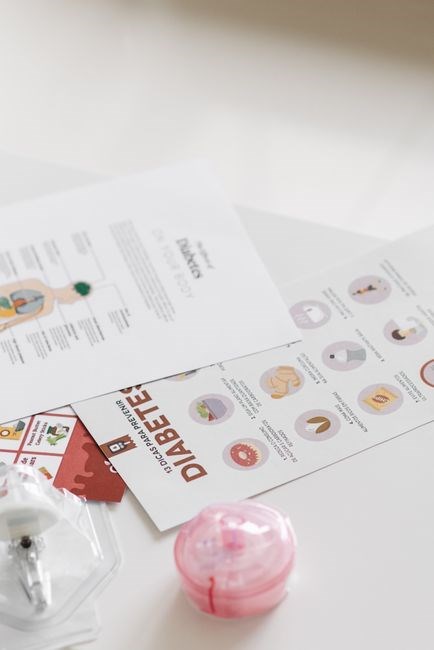
Tips for Grocery Shopping and Ingredient Substitutions
When planning a weekly menu for gestational diabetes‚ start with a clear list of low‑glycemic foods. Prioritize fresh produce‚ lean proteins‚ whole grains‚ and healthy fats. Use the plate method to keep portions balanced: half vegetables‚ quarter protein‚ quarter complex carbs. Mark items that fit the 43‑g carbohydrate target per meal on your list;
- Carbohydrate swaps: Replace white rice with quinoa‚ couscous‚ or cauliflower rice; use whole‑wheat pasta instead of regular pasta; choose barley or farro for salads.
- Protein alternatives: Substitute grilled chicken with baked tofu‚ tempeh‚ or lentils for a plant‑based option; use Greek yogurt instead of sour cream in dips.
- Fat choices: Swap butter with avocado slices or a drizzle of extra‑virgin olive oil; use nut butters in moderation for added protein.
- Snack ideas: Replace sugary granola bars with a handful of nuts and seeds; swap fruit juice with whole fruit or a small smoothie made with unsweetened almond milk.
- Seasoning tricks: Use herbs‚ spices‚ lemon zest‚ or vinegar to add flavor without extra carbs or sodium.
Keep a small notebook or use app to record meals‚ blood glucose readings‚ and how you feel. This log helps you and your healthcare team make timely adjustments to your diet and medication. Stay consistent now.

How to Use and Customize the PDF Menu
Begin by downloading the PDF from the provided link. Open it with a PDF viewer that allows annotations. The menu is organized by day and meal‚ with suggested portion sizes and carbohydrate counts. Use the built‑in table to cross‑reference your glucose readings and adjust portions accordingly. If you prefer a different protein source‚ simply replace the listed item with an equivalent protein that has a similar calorie and carb profile. For example‚ swap grilled chicken for baked tofu or tempeh‚ ensuring the protein grams remain consistent.
To personalize the menu‚ create a spreadsheet that mirrors the PDF layout. Record your actual servings‚ note any substitutions‚ and track blood glucose before and after meals. This data helps you and your provider refine the plan over time. If you need to increase caloric intake for healthy weight gain‚ add a small side of whole‑grain crackers or a spoonful of nut butter‚ adjusting the carbohydrate total to stay within the prescribed limit.
Remember to keep the menu balanced: half vegetables‚ a quarter protein‚ and a quarter complex carbs. Use the customizable columns in the PDF to swap in seasonal produce or local favorites. Regularly review the menu with your dietitian to ensure it meets your evolving nutritional needs and supports optimal glycemic control.
Print the menu‚ cut out the sections you use‚ and label them with your name and date. The PDF lets you highlight items you want to try next week. This visual cue helps you stay organized and confident in managing your diet daily. Stay on.
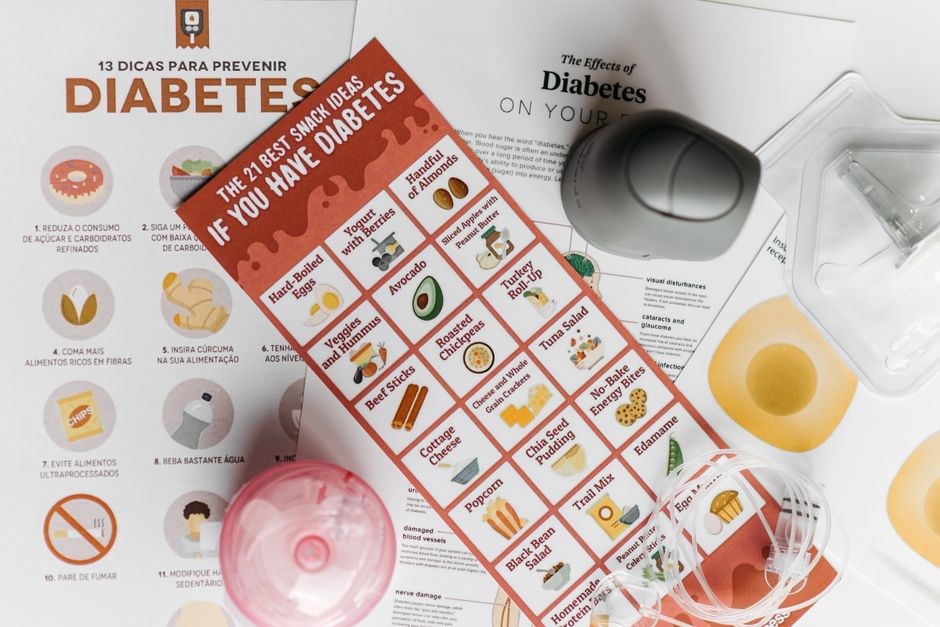
Resources and References for Further Guidance
For comprehensive guidance on creating and adapting a weekly menu for gestational diabetes‚ consult the following authoritative sources. These references provide evidence‑based recommendations‚ meal planning tools‚ and practical tips for managing blood glucose during pregnancy.
- American Diabetes Association (ADA) – Standards of Medical Care in Diabetes (2026). Offers updated carbohydrate counting guidelines and individualized meal planning strategies.
- National Institute of Diabetes and Digestive and Kidney Diseases (NIDDK) – Gestational Diabetes: A Guide for Patients and Families. Includes sample menus‚ portion control charts‚ and tips for grocery shopping.
- Academy of Nutrition and Dietetics – Nutrition Care for Women with Gestational Diabetes. Provides evidence‑based dietary patterns and nutrient targets.
- World Health Organization (WHO) – Pregnancy and Nutrition. Discusses weight‑gain recommendations and balanced diet principles.
- Local Maternal‑Fetal Medicine Clinics – Many clinics publish downloadable PDF meal plans tailored to regional food availability. Check your provider’s website or ask the dietitian for the latest version.
- Mobile Apps – “MyFitnessPal” and “Diabetes: Food & Nutrition” allow users to log meals‚ track carb intake‚ and sync data with healthcare teams.
Academic journals such as Diabetes Care and Journal of Maternal‑Fetal Medicine regularly publish peer‑reviewed studies on dietary interventions for gestational diabetes. For the most recent evidence‚ search PubMed with keywords “gestational diabetes meal plan” and filter by 2024–2026 publications.
Finally‚ join support groups on platforms like Facebook or Reddit to exchange real‑world tips‚ recipe ideas‚ and encouragement from peers who are navigating similar challenges.