
do manual transmissions have torque converters
Category : Manuals
Do Manual Transmissions Have Torque Converters? ― Article Plan (12/16/2025 05:05:21)
This article explores the relationship between manual transmissions and torque converters‚ clarifying why manuals generally don’t utilize them‚ while acknowledging exceptions like automated manual systems.
Do manual transmissions employ torque converters? This fundamental question sparks debate‚ as traditional manuals prioritize direct mechanical connection‚ differing from the fluid coupling of automatic systems.

Defining Manual Transmissions
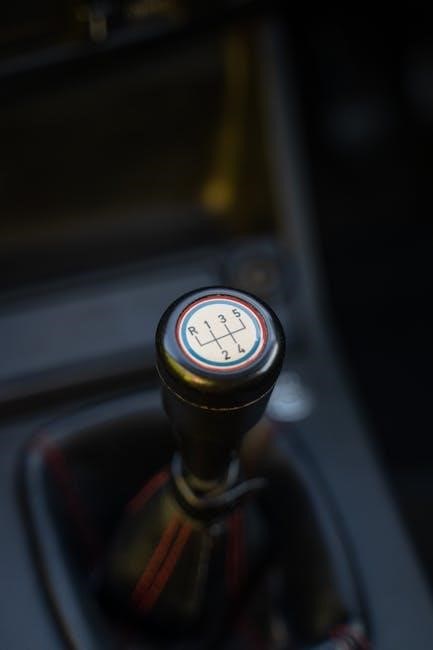
Manual transmissions‚ also known as stick shifts‚ rely on a driver-operated clutch pedal and a gear stick to change gears. This system establishes a direct mechanical connection between the engine and the wheels. The driver selects the appropriate gear ratio by physically engaging different gears within the transmission.
This direct link allows for precise control over engine RPM and power delivery. Unlike automatic transmissions‚ manual transmissions don’t automatically shift gears; the driver is fully responsible. Historically‚ manuals were the dominant transmission type‚ valued for their simplicity‚ efficiency‚ and driver engagement. They require more skill to operate smoothly‚ but offer a more connected driving experience. The core function is to transfer engine power through a series of gears‚ enabling the vehicle to operate efficiently at varying speeds.
Defining Torque Converters
Torque converters are a type of fluid coupling used in automatic transmissions. They transmit engine power to the transmission without a direct mechanical link‚ utilizing fluid dynamics instead. Essentially‚ they act as an intermediary‚ allowing the engine to continue running even when the wheels are stopped.
This is achieved through a complex system of impellers‚ turbines‚ and a stator‚ all submerged in transmission fluid. Torque converters enable smooth gear changes and prevent engine stalling. They also offer a degree of torque multiplication‚ particularly at lower speeds. While efficient‚ they aren’t as directly efficient as a mechanical connection. They are a key component in traditional automatic transmissions‚ facilitating a seamless driving experience.
The Initial Answer: Generally No
Generally‚ manual transmissions do not have torque converters. Manual transmissions rely on a direct mechanical connection between the engine and the wheels‚ facilitated by a clutch pedal operated by the driver. This direct link provides a more efficient power transfer compared to the fluid coupling of a torque converter.
The core function of a manual transmission is driver control over gear selection‚ achieved through this direct engagement. Introducing a torque converter would negate this fundamental aspect. While some modern systems blur the lines – like automated manuals – a traditional manual gearbox operates entirely without the need for‚ or benefit of‚ a torque converter’s fluid dynamics.

Understanding Automatic Transmissions & Torque Converters
Automatic transmissions commonly employ torque converters to transfer engine power‚ utilizing fluid dynamics for smooth gear changes and torque multiplication capabilities;
How Torque Converters Work: A Basic Overview
Torque converters function as a fluid coupling‚ transmitting engine power to the transmission without a direct mechanical link. This system utilizes a fluid‚ typically automatic transmission fluid‚ to transfer rotational energy. The engine spins an impeller‚ which acts like a fan‚ flinging fluid at a turbine connected to the transmission input shaft.
As the fluid strikes the turbine‚ it causes it to rotate‚ thus transferring power. Importantly‚ this isn’t a direct connection; slippage occurs‚ allowing the engine to continue running even when the vehicle is stopped. This slippage is crucial for smooth starts and preventing engine stalling; The internal design‚ featuring components like the stator‚ enhances efficiency and provides torque multiplication‚ especially during acceleration. It’s a complex‚ yet elegant‚ system for power delivery in automatic vehicles.
Components of a Torque Converter: Impeller‚ Turbine‚ Stator
A torque converter’s functionality relies on three key components: the impeller‚ turbine‚ and stator. The impeller‚ directly connected to the engine’s crankshaft‚ spins and pumps transmission fluid. This fluid then impacts the turbine‚ which is connected to the transmission’s input shaft‚ causing it to rotate and transfer power.
However‚ fluid returning from the turbine isn’t aligned to efficiently re-enter the impeller. This is where the stator comes in. Positioned between the turbine and impeller‚ the stator redirects the fluid‚ improving efficiency and enabling torque multiplication. The stator’s one-way clutch allows it to lock‚ changing the fluid flow direction. These components work in harmony‚ creating a fluid drive system that smoothly transfers engine power to the wheels.
Torque Multiplication Explained
Torque converters don’t just transfer power; they can multiply it‚ particularly at lower engine speeds. This happens due to the interaction between the impeller‚ turbine‚ and stator. When the engine spins the impeller faster than the turbine‚ the stator redirects fluid in a way that increases the force applied to the turbine.
Essentially‚ the stator ‘amplifies’ the torque. As the turbine speed approaches the impeller speed‚ torque multiplication decreases‚ eventually reaching a 1:1 ratio. This feature is crucial for initial acceleration‚ providing more force when starting from a standstill. However‚ this multiplication isn’t free; it comes with some efficiency loss due to fluid friction and slippage within the converter.
Why Manual Transmissions Don’t Typically Use Torque Converters
Manual transmissions prioritize a direct mechanical link between the engine and wheels‚ a function incompatible with the fluid coupling nature of torque converters.
Direct Mechanical Connection in Manuals
Unlike automatic transmissions relying on fluid dynamics‚ manual transmissions achieve power transfer through a solid‚ direct mechanical connection. This system utilizes gears and a clutch to physically link the engine’s output to the drivetrain. When the clutch is engaged‚ it firmly connects the engine to the transmission input shaft‚ ensuring nearly 100% of the engine’s power reaches the wheels.
This direct linkage is fundamental to the manual transmission’s operation and efficiency. It eliminates the inherent slippage found in torque converters‚ which‚ while offering smoothness‚ inevitably results in some power loss. The driver controls this connection via the clutch pedal‚ dictating when power is transferred and allowing for gear changes. This directness contributes to the feeling of control and responsiveness often associated with manual transmissions.
Clutch Functionality vs. Torque Converter Functionality
The clutch in a manual transmission serves as a direct engagement/disengagement mechanism‚ physically disconnecting the engine from the transmission when the pedal is depressed. This allows for smooth gear changes without damaging the drivetrain. Conversely‚ a torque converter utilizes fluid coupling – impeller‚ turbine‚ and stator – to transmit power.
While a torque converter allows the engine to continue running even when the wheels are stopped‚ it introduces inherent slippage. The clutch provides a solid connection when engaged‚ maximizing power transfer. Torque converters prioritize smoothness and convenience‚ while clutches emphasize driver control and efficiency. Essentially‚ the clutch is a ‘hard’ connection‚ and the torque converter a ‘soft’ one‚ each suited to different transmission philosophies.
Efficiency Considerations: Manuals and Direct Power Transfer
Manual transmissions excel in efficiency due to their direct mechanical link between the engine and wheels when the clutch is engaged. This minimizes power loss‚ as energy isn’t dissipated through fluid dynamics like in a torque converter. The inherent slippage within a torque converter‚ while providing smoothness‚ inevitably reduces overall drivetrain efficiency.
Because manuals offer a more direct power transfer‚ they generally yield slightly better fuel economy compared to traditional automatic transmissions utilizing torque converters. This direct connection translates to less wasted energy and a more responsive driving experience. However‚ advancements in automatic transmission technology‚ including lock-up torque converters‚ are narrowing this efficiency gap.
Exceptions and Hybrid Systems
Modern advancements introduce exceptions‚ like automated manual transmissions (AMTs) and dual-clutch transmissions (DCTs)‚ sometimes integrating torque converters for enhanced performance and smoothness.
Automated Manual Transmissions (AMTs) ― A Closer Look
Automated Manual Transmissions (AMTs) represent a fascinating bridge between traditional manual gearboxes and the convenience of automatics. Essentially‚ an AMT is a standard manual transmission that utilizes electronic actuators and sensors to perform gear changes and clutch operation – tasks normally handled by the driver.
Unlike traditional automatics‚ AMTs do not inherently require a torque converter. They maintain the direct mechanical connection characteristic of manual transmissions‚ contributing to efficiency. However‚ some AMT designs may incorporate a launch control system that mimics the feel of a torque converter for smoother starts. This isn’t a full torque converter‚ but a system designed to improve low-speed drivability. The core principle remains a mechanically linked gearbox controlled by automation‚ offering a unique driving experience.
Dual-Clutch Transmissions (DCTs): A Different Automatic Approach
Dual-Clutch Transmissions (DCTs) offer a distinctly different automatic experience compared to traditional torque converter automatics. DCTs essentially feature two separate manual transmissions within one housing‚ each with its own clutch. One clutch handles odd-numbered gears‚ while the other manages even-numbered gears.
This clever design allows for incredibly fast and seamless gear changes‚ as the next gear is pre-selected and ready to engage. Most DCTs do not utilize a torque converter‚ prioritizing direct power transfer and responsiveness. However‚ a small number of DCT designs‚ particularly those focused on maximizing low-speed smoothness‚ may integrate a small torque converter. This is a relatively rare configuration‚ and the core functionality remains rooted in the dual-clutch mechanism.
Torque Converter Integration in Some DCT Designs (Rare Cases)
While most Dual-Clutch Transmissions (DCTs) eschew torque converters for direct mechanical connection‚ a limited number incorporate them‚ primarily to enhance low-speed drivability and smoothness. This integration isn’t about replicating a traditional automatic’s feel‚ but rather mitigating the sometimes jerky nature of DCTs during initial acceleration or maneuvering at low speeds.
The torque converter in these DCTs is typically smaller and designed for limited torque multiplication. It primarily functions as a viscous coupling‚ smoothing out power delivery. This is a departure from the full torque multiplication seen in conventional automatics. Manufacturers employ this approach to balance the performance benefits of a DCT with improved refinement‚ catering to drivers who prioritize comfort alongside responsiveness. It remains a niche application within the broader DCT landscape.
The Rise of Automatic Transmissions
Automatics gained popularity due to convenience and ease of use‚ slowly replacing manuals as the preferred choice for many drivers‚ fueled by technological advancements.
Historical Shift from Manual to Automatic
The transition from manual to automatic transmissions is a fascinating story of automotive evolution. Early automobiles universally employed manual gearboxes‚ demanding significant driver skill and effort. However‚ as the 20th century progressed‚ the desire for simpler driving experiences grew. The introduction of the first automatic transmissions‚ utilizing torque converters‚ marked a turning point.
Initially‚ automatics were often seen as less efficient and engaging than manuals. Yet‚ continuous improvements in automatic transmission technology‚ including more sophisticated control systems and increased gear ratios‚ began to close the performance gap. By the latter half of the century‚ automatics started gaining significant market share‚ particularly in North America. This shift was driven by factors like increasing traffic congestion and a broader demographic of drivers prioritizing convenience over driver involvement. Today‚ automatics dominate the new car market‚ though manuals retain a dedicated following among enthusiasts.
Convenience and Ease of Use as Driving Factors
The rise of automatic transmissions is inextricably linked to the growing demand for convenience and ease of use in driving. Manual transmissions require the driver to coordinate clutch and gear lever operation‚ a skill that can be challenging for some and tiring in stop-and-go traffic. Automatics eliminate this complexity‚ allowing drivers to focus solely on steering and braking.
This simplification proved particularly appealing as urban areas became more congested. The constant shifting required by a manual gearbox in heavy traffic became a significant source of driver fatigue. Automatics offered a smoother‚ less demanding experience‚ attracting a wider range of drivers. Furthermore‚ the increasing accessibility of driving licenses to a broader population fueled the demand for easier-to-operate vehicles‚ solidifying the automatic transmission’s position in the automotive landscape.
Advancements in Automatic Transmission Technology
Modern automatic transmissions have undergone significant advancements‚ addressing earlier criticisms regarding efficiency and responsiveness. Early torque converter automatics were often criticized for “slippage‚” resulting in reduced fuel economy compared to manuals. However‚ technologies like lock-up torque converters minimize this slippage‚ creating a more direct mechanical connection at cruising speeds.
Furthermore‚ the introduction of more gears – six‚ eight‚ nine‚ and even ten-speed automatics – allows the engine to operate closer to its optimal efficiency range more frequently. The development of sophisticated computer control systems further optimizes shift points for both performance and fuel economy. These improvements‚ coupled with the emergence of Dual-Clutch Transmissions (DCTs)‚ have largely closed the performance gap with manual transmissions‚ while retaining the convenience of automatic operation.
Comparing Manual‚ Automatic (Torque Converter)‚ and DCT Transmissions
Each transmission type offers unique characteristics: manuals prioritize driver control‚ automatics offer convenience‚ and DCTs blend both with rapid shifts and efficiency.
Performance Characteristics: Acceleration and Responsiveness
Manual transmissions traditionally offer a direct connection‚ allowing for precise control over engine RPM and potentially quicker acceleration in skilled hands. This direct link minimizes power loss‚ contributing to a more responsive feel. However‚ automatic transmissions with torque converters‚ while historically slower‚ have significantly improved. Modern torque converter automatics utilize sophisticated programming and lock-up clutches to mitigate slippage and enhance responsiveness.
Dual-Clutch Transmissions (DCTs) generally outperform both in acceleration and responsiveness. Their dual-clutch design allows for pre-selection of the next gear‚ resulting in near-instantaneous shifts without interrupting power delivery. While a manual requires driver input for each shift‚ and a traditional automatic experiences some inherent delay‚ DCTs offer a seamless and incredibly fast driving experience. Ultimately‚ performance depends on the specific vehicle and transmission tuning‚ but DCTs currently hold an edge.
Fuel Efficiency Comparison
Historically‚ manual transmissions often boasted superior fuel economy due to their direct mechanical connection and lack of parasitic losses associated with torque converters. However‚ advancements in automatic transmission technology have narrowed this gap considerably. Modern automatics‚ particularly those with torque converter lock-up features‚ minimize slippage and improve efficiency.
Dual-Clutch Transmissions (DCTs) frequently demonstrate the best fuel economy among the three types. Their efficient shifting and minimal power loss contribute to optimized fuel consumption. While the difference between a well-designed automatic and a manual may be negligible in some cases‚ DCTs often maintain a slight advantage. Ultimately‚ driving style and vehicle weight play significant roles‚ but modern automatics are now very competitive with manuals in terms of fuel efficiency.
Driver Engagement and Control
Manual transmissions traditionally offer a heightened sense of driver engagement‚ requiring active participation in gear selection and clutch operation. This direct control appeals to enthusiasts who enjoy a more connected driving experience. Automatic transmissions‚ including those with torque converters‚ historically provided a more detached feel‚ prioritizing convenience over control.
However‚ modern automatic transmissions‚ especially DCTs‚ are bridging this gap. They offer quicker shifts and a more responsive feel‚ enhancing driver involvement. While a manual still provides the ultimate control‚ the latest automatics deliver a compelling alternative. The choice often comes down to personal preference – those seeking maximum control will likely prefer a manual‚ while others will appreciate the ease and convenience of an automatic.

The Future of Transmissions
Transmission technology is evolving rapidly‚ with CVTs and electric vehicle systems gaining prominence‚ alongside potential hybrid approaches blending manual and automatic elements.
Continuously Variable Transmissions (CVTs) ౼ An Alternative
Continuously Variable Transmissions (CVTs) represent a distinct departure from traditional stepped gear ratios‚ offering a seamless and theoretically infinite range of gear ratios. Unlike conventional automatics relying on torque converters‚ CVTs typically employ a belt or chain running between two variable-diameter pulleys. This design allows the engine to operate at its most efficient RPM‚ regardless of vehicle speed‚ potentially improving fuel economy.
CVTs don’t have fixed gears‚ leading to a unique driving experience often described as “rubber-banding.” While they offer efficiency benefits‚ some drivers find the lack of distinct shift points less engaging. They are becoming increasingly common‚ offering a different automatic experience than torque converter-based systems‚ and represent a viable alternative as the automotive landscape shifts.
Electric Vehicle Transmissions: A Simplified Approach
Electric Vehicles (EVs) often employ remarkably simple transmission systems‚ a direct consequence of the electric motor’s characteristics. Unlike internal combustion engines with narrow power bands‚ electric motors deliver near-instant torque across a wide RPM range. This eliminates the need for complex multi-gear transmissions‚ including those utilizing torque converters.
Many EVs utilize a single-speed reduction gear to efficiently transfer power from the motor to the wheels. This simplicity enhances efficiency and reduces weight. While some high-performance EVs are experimenting with multi-speed transmissions for increased top speed or efficiency at highway speeds‚ these are exceptions. The fundamental shift towards electric powertrains is simplifying transmission design‚ moving away from the complexities of traditional systems.
Potential for Hybrid Systems Combining Manual Elements with Automatic Technologies
The future may see innovative hybrid transmission systems blending the best aspects of manual and automatic technologies. These systems could potentially incorporate elements of both‚ offering drivers a unique driving experience. Automated Manual Transmissions (AMTs) already represent a step in this direction‚ providing manual-like control with automatic clutch operation.
Further development might involve integrating torque converter-like functionality into advanced AMTs or Dual-Clutch Transmissions (DCTs) to enhance smoothness and low-speed drivability. Such systems could offer selectable modes‚ allowing drivers to choose between fully automatic operation‚ manual control‚ or a hybrid mode optimizing for efficiency or performance. This convergence could address the drawbacks of both traditional systems.

Common Misconceptions
Many incorrectly assume all automatics utilize torque converters‚ overlooking DCTs and CVTs. Confusing AMTs with traditional automatics is also common‚ as is underestimating modern transmission computer control.
“All Automatics Have Torque Converters” ― Debunked
This is a widespread misunderstanding. While torque converters are a cornerstone of traditional automatic transmissions‚ they aren’t universally present in all automatic systems. Modern automotive technology has expanded the landscape of automatic gearboxes‚ introducing alternatives that don’t rely on this fluid coupling.
Dual-clutch transmissions (DCTs)‚ for example‚ utilize two separate clutches for gear changes‚ offering incredibly fast and direct shifts without the need for a torque converter. Continuously Variable Transmissions (CVTs) employ a belt-and-pulley system to provide a seamless range of gear ratios‚ again bypassing the torque converter.
Therefore‚ the statement that all automatics have torque converters is demonstrably false. The type of automatic transmission dictates whether a torque converter is employed‚ showcasing the diversity within automatic gearbox designs.
Confusing Automated Manuals with Traditional Automatics
A key source of confusion arises from automated manual transmissions (AMTs). These systems‚ while offering automatic operation‚ fundamentally retain the core mechanical structure of a manual gearbox – lacking a traditional torque converter. AMTs utilize actuators and computer control to automate clutch engagement and gear selection‚ mimicking a manual shift pattern without driver intervention.
This differs significantly from traditional automatics‚ which rely on a torque converter for fluid coupling and power transfer. Because AMTs feel automatic‚ some mistakenly categorize them alongside conventional automatics‚ overlooking their distinct internal workings.
Understanding this distinction is crucial; AMTs are essentially manually operated gearboxes controlled electronically‚ not torque-converter-based automatics. This leads to misinterpretations about the presence of torque converters in all “automatic” vehicles.
The Role of Computer Control in Modern Transmissions
Modern transmissions‚ regardless of type‚ heavily rely on computer control for optimized performance and efficiency. This is particularly evident in automated systems‚ blurring the lines between traditional classifications. Computer control manages shift points‚ clutch engagement (in AMTs and DCTs)‚ and even torque converter lockup in conventional automatics.
While a manual transmission’s core function remains mechanically driven‚ computer assistance can now modulate throttle input and even offer automated rev-matching. This sophisticated control extends to automatic transmissions‚ enabling features like adaptive learning and predictive shifting.
The increasing role of computer control doesn’t change the fundamental presence or absence of a torque converter‚ but it does enhance the overall driving experience and efficiency of all transmission types.